
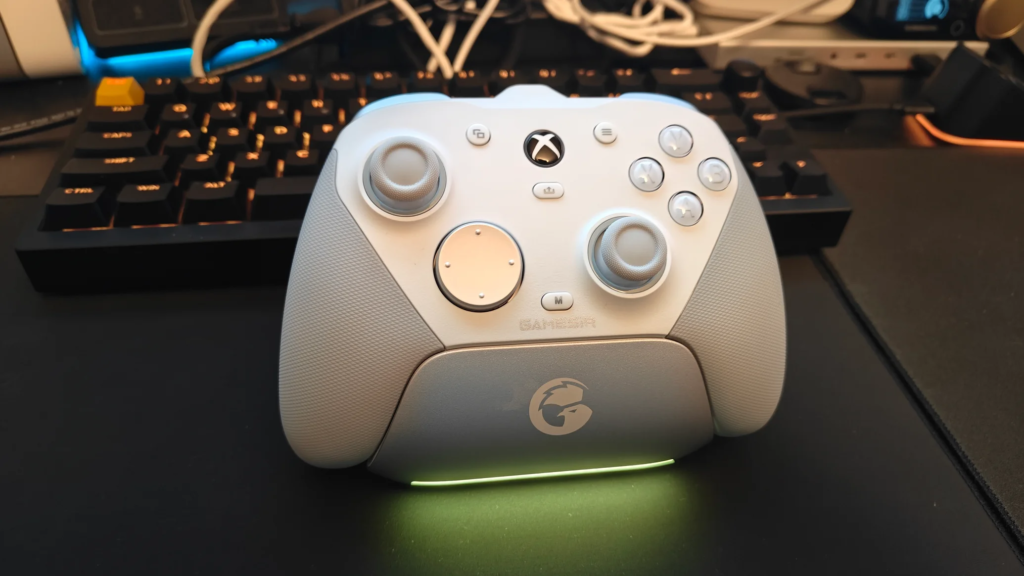
Gaming controllers had a quiet revolution in 2026: budget third-party brands like GameSir and 8BitDo now ship with Hall Effect sticks, 1000Hz polling, and back paddles that Microsoft and Sony still don’t offer at any price. That doesn’t make the Xbox controller or DualSense bad buys — it just means “buy the official one” no longer guarantees the best hardware. Potentiometer sticks wear down over time and cause drift; Hall Effect sticks use a magnet with no physical contact, so they don’t.
Connection type trips up a lot of buyers: Bluetooth is convenient but polls around 125Hz, versus the 1000Hz of 2.4GHz wireless. Casual play won’t notice the difference — competitive multiplayer will, so prioritize 2.4GHz or wired if that’s your use case.
Platform compatibility matters too. Xbox controllers work plug-and-play almost everywhere via XInput; DualSense runs well on PC through Steam but sometimes needs extra setup elsewhere; third-party controllers vary widely, with some skipping console support for broader PC/Android reach.
Here’s a quick side-by-side before the full breakdown.
| Product | Sticks | Wireless | Polling Rate | Best For |
|---|---|---|---|---|
| Xbox Wireless Controller | Potentiometer | Bluetooth, Xbox Wireless | ~125Hz wireless | Best plug-and-play PC and Xbox compatibility |
| Sony DualSense | Potentiometer | Bluetooth, USB-C wired | Up to 1000Hz (wired/USB) | Best haptic feedback and adaptive triggers |
| GameSir G7 Pro | Hall Effect (TMR) | 2.4GHz, Bluetooth, wired | 1000Hz | Best overall value with pro-grade features |
| Xbox Elite Series 2 | Potentiometer (adjustable) | Xbox Wireless, USB-C | ~125Hz wireless | Best customizable pro controller for Xbox/PC |
| 8BitDo Ultimate 2C | Hall Effect | 2.4GHz, Bluetooth | 1000Hz | Best budget multi-platform option |
Xbox Wireless Controller
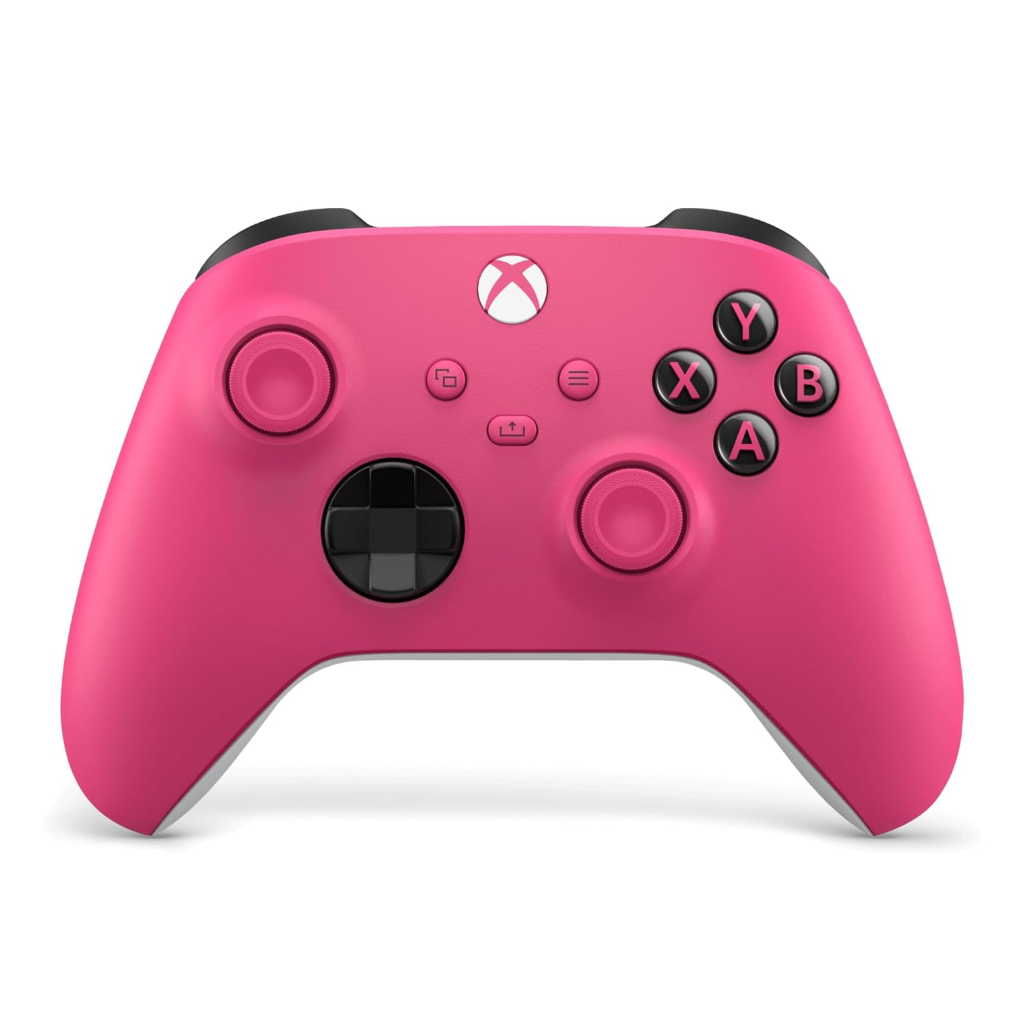
This remains the easiest, most friction-free controller purchase for PC gamers, and the reason is straightforward rather than exciting: Windows is built around Xbox Input, so every PC game that supports a gamepad supports this controller natively. No driver installation, no Steam Input configuration, no software workarounds — plug in a USB-C cable or pair via Bluetooth and you’re playing in thirty seconds.
Multiple sources including PC Gamer and Gaming PC Guru consistently named it the gold standard for PC compatibility in 2026. A solid 40-hour battery, good ergonomics for a wide range of hand sizes, and USB-C charging complete a package that excels at being dependable rather than flashy. The honest trade-off is that it doesn’t have Hall Effect sticks, no back paddles, and no haptic feedback — features that third-party controllers at the same or lower price now include.
Best for: PC and Xbox gamers who want zero-friction plug-and-play compatibility above all else.
Sony DualSense
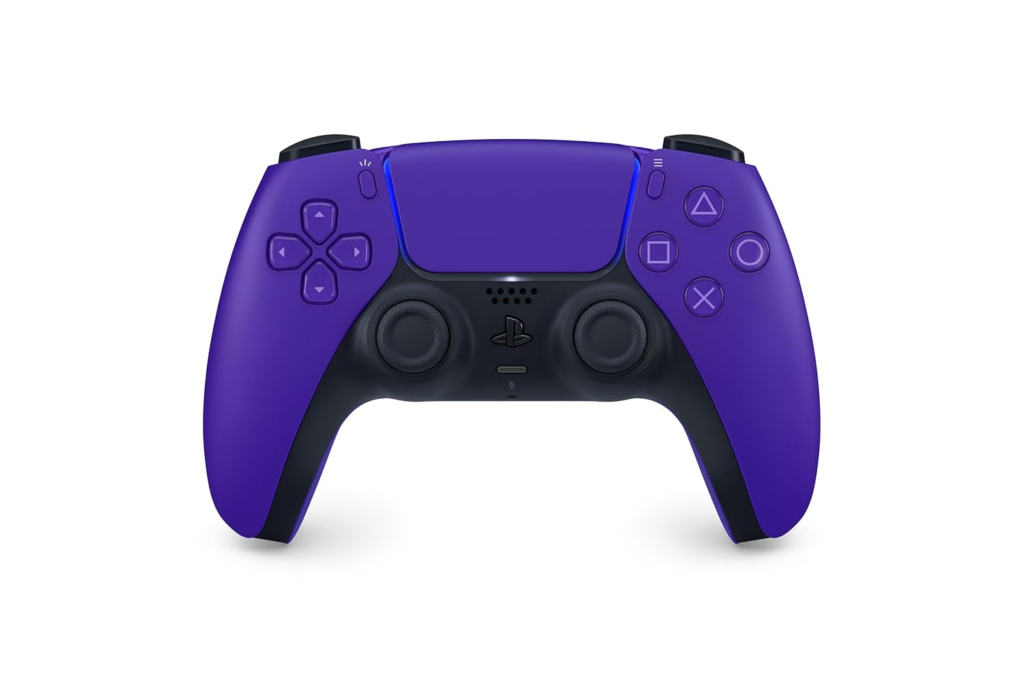
This is the most technically advanced consumer controller available, and its features translate meaningfully to PC gaming when used correctly. Adaptive triggers create distinct physical resistance that communicates weapon state, surface texture, and game events in a way standard rumble simply cannot replicate — tested in PC ports like Returnal, Cyberpunk 2077, and Spider-Man: Miles Morales, the difference is immediately apparent in games that implement it.
Haptic feedback goes further than conventional vibration motors, simulating fine surface detail and directional impacts. Steam now exposes haptic and adaptive trigger APIs through its controller framework, and an expanding library of PC games implements DualSense-specific features natively. The key caveat: haptic feedback and adaptive triggers require a USB-C wired connection on PC — over Bluetooth, you get standard vibration only, and the polling rate drops. Use it wired for the full experience.
Best for: players who want the most immersive haptic and adaptive trigger experience, especially in PlayStation PC ports.
GameSir G7 Pro
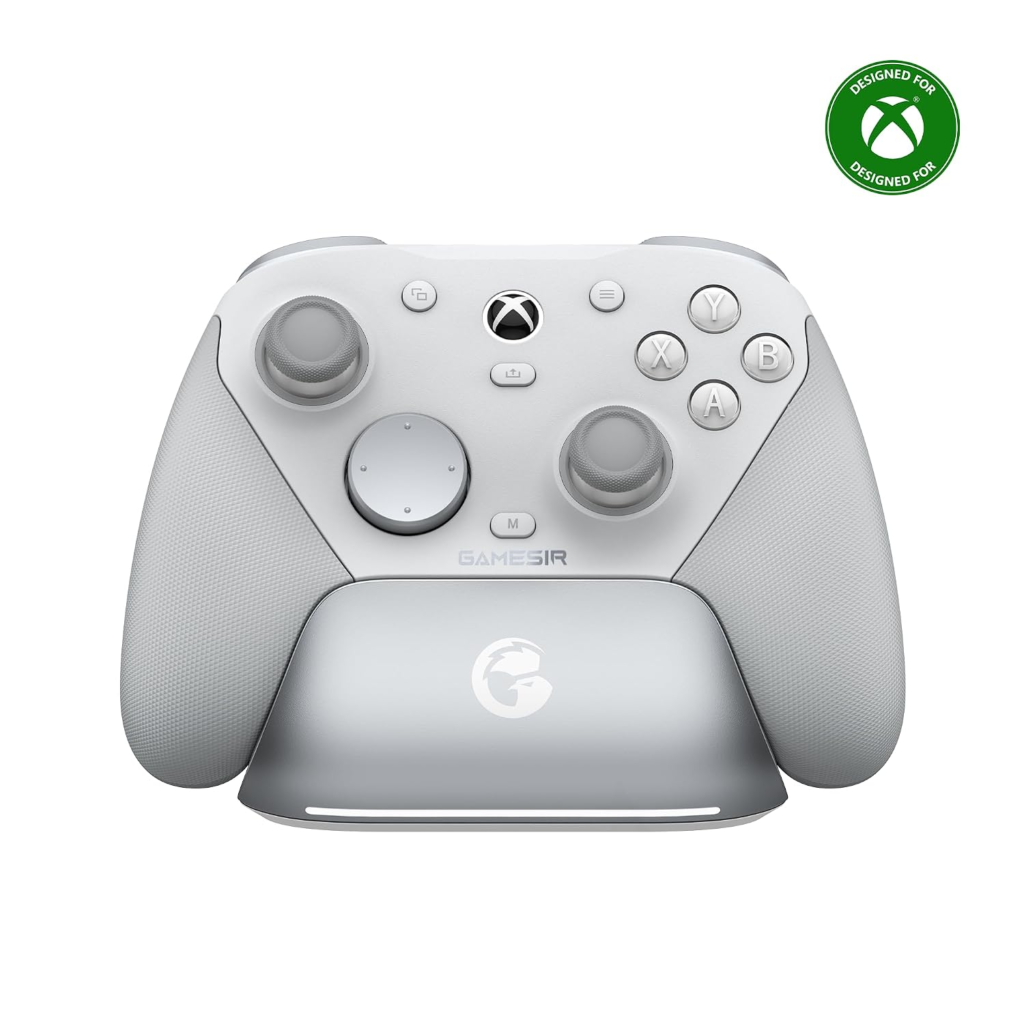
This is the controller that made first-party buyers question their purchase, and BGR specifically called it out as one of the best value options on the market in 2026. TMR (Tunnel Magnetoresistance) Hall Effect thumbsticks, Hall Effect triggers that switch between analog and rapid-fire input, 1000Hz polling across wired, 2.4GHz wireless, and Bluetooth, gyroscope controls, four additional programmable buttons including rear paddles, and adjustable stick tension — all at around $80.
That feature list embarrasses controllers costing twice as much from official manufacturers. The main trade-off is platform coverage: it doesn’t work natively on Xbox consoles without a wired connection, and PlayStation support is limited, making it best positioned for PC and Android gaming where first-party certification isn’t required.
Best for: PC gamers who want Hall Effect sticks, back paddles, and 1000Hz polling without paying pro-controller prices.
Xbox Elite Series 2
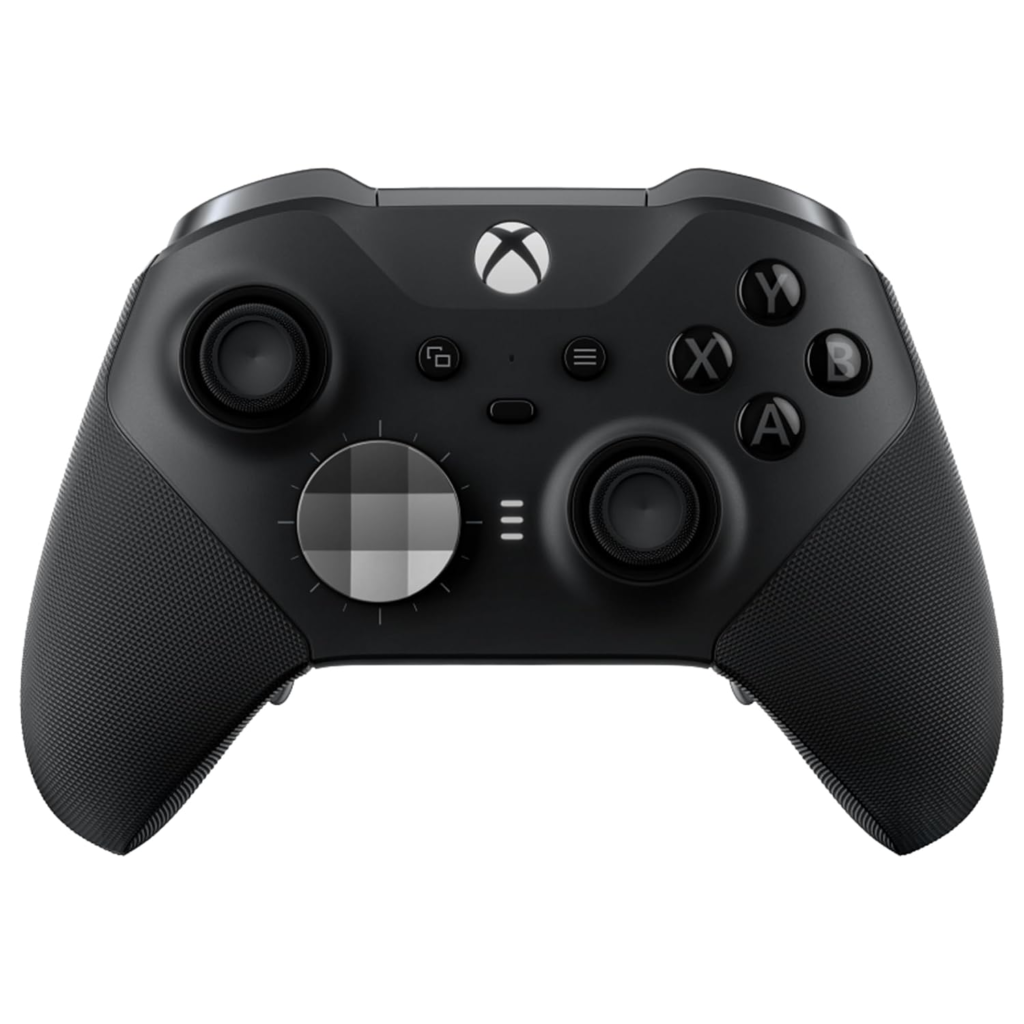
This is the premium customization pick for Xbox and PC players who want their controller to adapt to how they play rather than the other way around. Swappable thumbstick tops and D-pad styles, adjustable stick tension, four interchangeable rear paddles, hair-trigger locks, and three saveable profile slots let it morph from a precise fighting game setup to a shooter configuration to a racing sim layout without buying a new controller.
Independent reviews from GamesRadar and BGR both highlighted the modular design as the defining feature that makes it genuinely worth the premium for dedicated gamers who play across multiple genres seriously. The honest trade-off compared to third-party alternatives is that the sticks are still potentiometer-based rather than Hall Effect, which means they’re theoretically susceptible to drift over time — a real consideration at the price.
Best for: Xbox and PC players who want deep hardware customization across multiple genres and play styles.
8BitDo Ultimate 2C
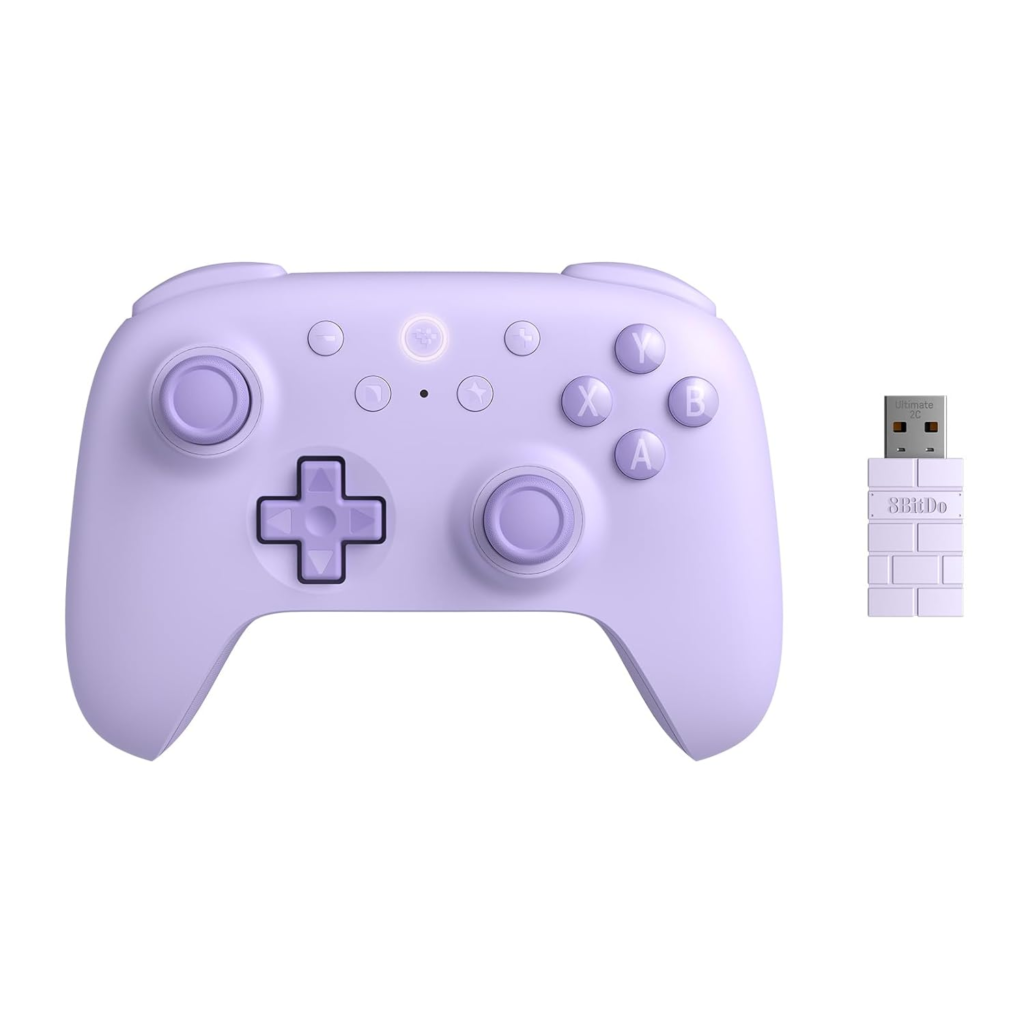
This is the budget pick that made the value case for expensive controllers genuinely difficult to defend. Hall Effect sticks and triggers, 1000Hz polling, 2.4GHz wireless connectivity, Bluetooth for secondary devices, a full software suite for button remapping and profile switching, and a charging dock included in the box — all for under $30 in most configurations.
Switchblade Gaming noted that the value case for paying more has collapsed at this price point, which is a fair assessment. It works across PC, Android, and Nintendo Switch. The trade-off for that price is first-party platform support — like most third-party controllers, native Xbox and PlayStation console compatibility is limited, making it a strong PC and multi-platform portable pick rather than a console-first recommendation.
Best for: budget-conscious buyers who want Hall Effect sticks and wireless performance without spending first-party prices.
Frequently Asked Questions
Do I really need Hall Effect sticks, or is it just marketing? Hall Effect sticks use a magnetic sensor rather than a physical contact mechanism, which means they don’t develop stick drift the same way traditional potentiometer sticks do over time. If you’ve ever replaced a controller specifically because of drifting sticks, Hall Effect is a genuine, practical upgrade rather than a spec-sheet buzzword.
What’s the actual difference between Bluetooth and 2.4GHz wireless for gaming? Bluetooth typically polls at around 125Hz on most systems, while 2.4GHz proprietary wireless connections hit 1000Hz or higher. For casual and single-player gaming, the difference is imperceptible. For competitive multiplayer where input timing matters, the lower latency of 2.4GHz wireless is real and measurable — which is why competitive players consistently prefer 2.4GHz or wired over Bluetooth.
Will a DualSense work properly on PC without any setup? Steam provides the most seamless DualSense experience, enabling haptic feedback and adaptive trigger support in any Steam game that implements them without additional software. For non-Steam titles, a free tool called DS4Windows converts the controller to Xbox format for broader compatibility. Key point: haptic and adaptive trigger features require a USB-C wired connection on PC; Bluetooth gives you standard vibration only.
Are third-party controllers actually reliable, or should I stick with official brands? Third-party controllers from established brands like GameSir and 8BitDo have matured significantly and now exceed first-party hardware on specific features like Hall Effect sticks and polling rates. The main trade-off is official platform certification, which affects native console support. For PC gaming specifically, there’s no meaningful reliability gap between a quality third-party controller and an official one.
Do back paddles actually make a difference, or are they a gimmick? Back paddles let you perform actions — jumping, reloading, crouching — without lifting your thumb off the stick, which in fast-paced shooters translates to real, measurable reaction time advantages. For competitive multiplayer titles, most players who try them find them genuinely hard to give up. For casual or story-driven single-player gaming, they’re a nice extra rather than a necessity.
What polling rate do I actually need in a controller? For most gaming, 125Hz is adequate and you won’t notice a difference. For competitive FPS and fighting games where frame-perfect input timing matters, 1000Hz removes a measurable latency variable. Higher than 1000Hz is currently more of a spec-sheet number than a practical advantage for controller gaming specifically.
Can I use any controller on a gaming PC? Essentially yes — Steam’s controller support has made it possible to use Xbox, PlayStation, and most third-party controllers with any game in the Steam library with varying degrees of native feature support. Non-Steam games vary more in controller support, which is why Xbox controllers remain the easiest default: XInput compatibility is built into Windows itself.
Is a pro controller worth the price for casual players? Probably not — the customization features of pro controllers like the Xbox Elite Series 2 are most valuable for players who invest heavily in specific game genres and have clear preferences about stick tension, trigger depth, and back paddle layout. For casual or multi-genre gaming, a well-reviewed standard controller or quality third-party option delivers a better price-to-enjoyment ratio.
The right gaming controller comes down to three questions: which platform you primarily play on, whether Hall Effect sticks matter enough to look beyond first-party options, and whether you play competitively enough to care about polling rates and back paddles. Double check current pricing on Amazon before buying, since gaming controllers see frequent discounts, especially around major shopping events.
What to Look For Before You Buy
Hall Effect vs. potentiometer sticks: If you’ve ever replaced a controller because of drift, prioritize Hall Effect — it’s the one spec that actually prevents the problem, not just a flashy line on the box.
Connection type for your use case: Bluetooth is convenient but polls around 125Hz. For competitive gaming, 2.4GHz or wired makes a measurable difference; for casual play, it won’t matter.
Platform compatibility first: Confirm a controller works natively on your main platform before falling for the feature list — many third-party controllers prioritize PC and Android over native console support.
Battery life and charging setup: Wired or 2.4GHz connections tend to offer more predictable battery life and latency than Bluetooth alone; check whether the controller includes a charging dock or requires a loose cable.
Are back paddles and extra buttons worth it? They make a real difference in fast-paced competitive games like FPS and shooters, but they’re just a nice extra in single-player or casual titles — don’t pay the premium if that’s not your use case.
Price isn’t a guarantee of features: In 2026, $30–$80 third-party controllers frequently outperform $70+ first-party controllers on technical specs (Hall Effect, polling rate, paddles). The higher first-party price buys certification and native compatibility, not necessarily better hardware.
SEE TOO
This article contains affiliate links.
Pingback: Best Smartphone Gimbals in 2026: Smooth Video Without the Learning Curve - reviewteech.com