
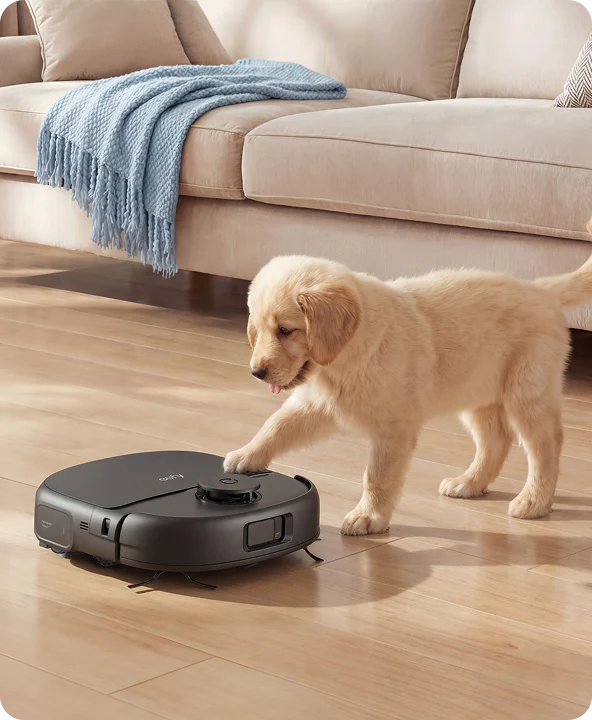
A few years ago, robot vacuums were a novelty — fun to watch, but not great at actually cleaning. That’s changed. The current generation of robots uses LiDAR or vSLAM navigation, which means they build an actual map of your home instead of bouncing around randomly. Combined with better suction motors and smarter obstacle detection, today’s models genuinely save time on daily maintenance cleaning, even if they’re not a full replacement for a deep clean every so often.
The real value isn’t that they replace your upright vacuum. It’s that they handle the daily buildup — pet hair, crumbs, dust — so you’re not doing a full vacuum session three times a week. If you have pets, kids, or just a busy schedule, that adds up to hours saved per month
Below are reviews of 5 models that might help you.
5 Robot Vacuums Worth Considering Right Now
1. iRobot Roomba Max 705
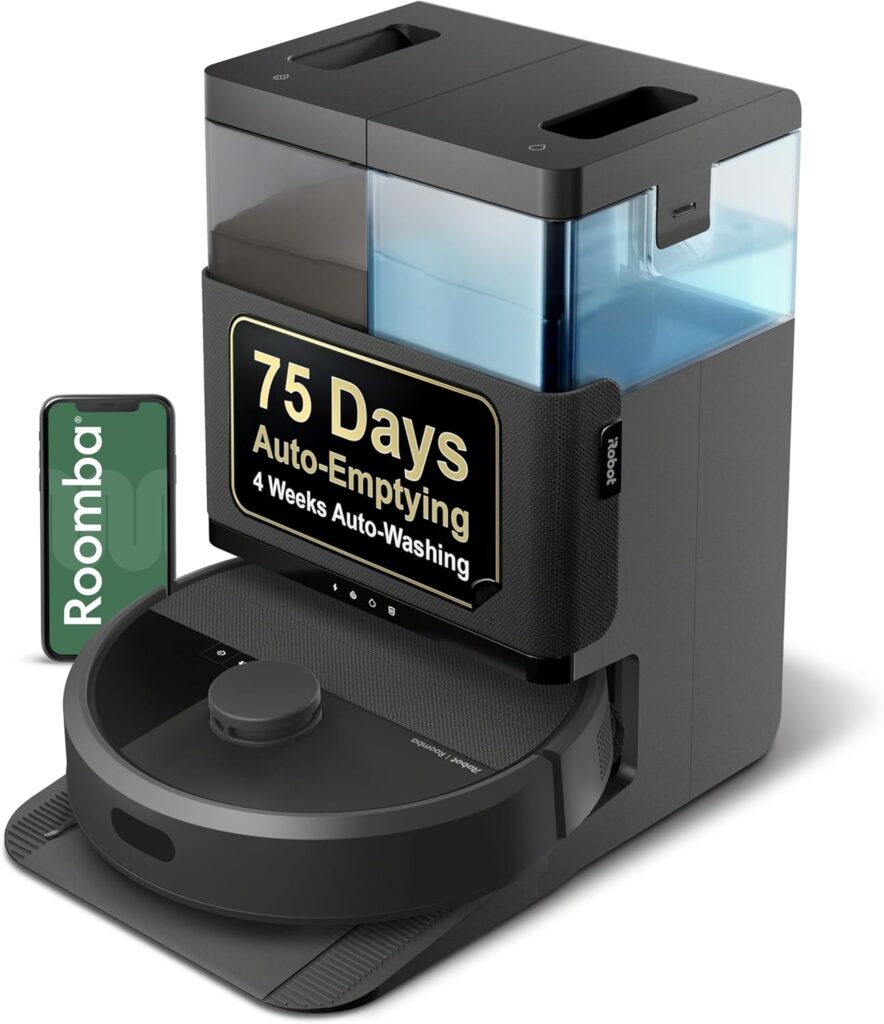
The current Consumer Reports top pick for 2026, and for good reason. It combines LiDAR navigation with anti-fall and obstacle detection, plus a self-emptying base rated for up to 75 days of hands-free use. It comes with LiDAR navigation and obstacle and anti-fall detection, plus a ton of smart features like mapping, scheduling, and dirt detection. Best for: people who want a trusted, established brand with strong all-around performance on both carpet and hard floors.
2. Roborock Saros 10R
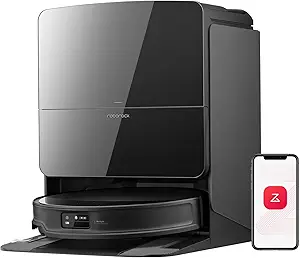
This high-end robot vacuum has multiple solid-state LiDAR sensors and obstacle recognition, leading to great obstacle avoidance without a tall profile. The low-profile design is a real advantage if you have furniture with limited clearance underneath. Best for: homes with a mix of low furniture and multiple rooms that need precise mapping.
3. Roborock Qrevo Curv 2 Flow
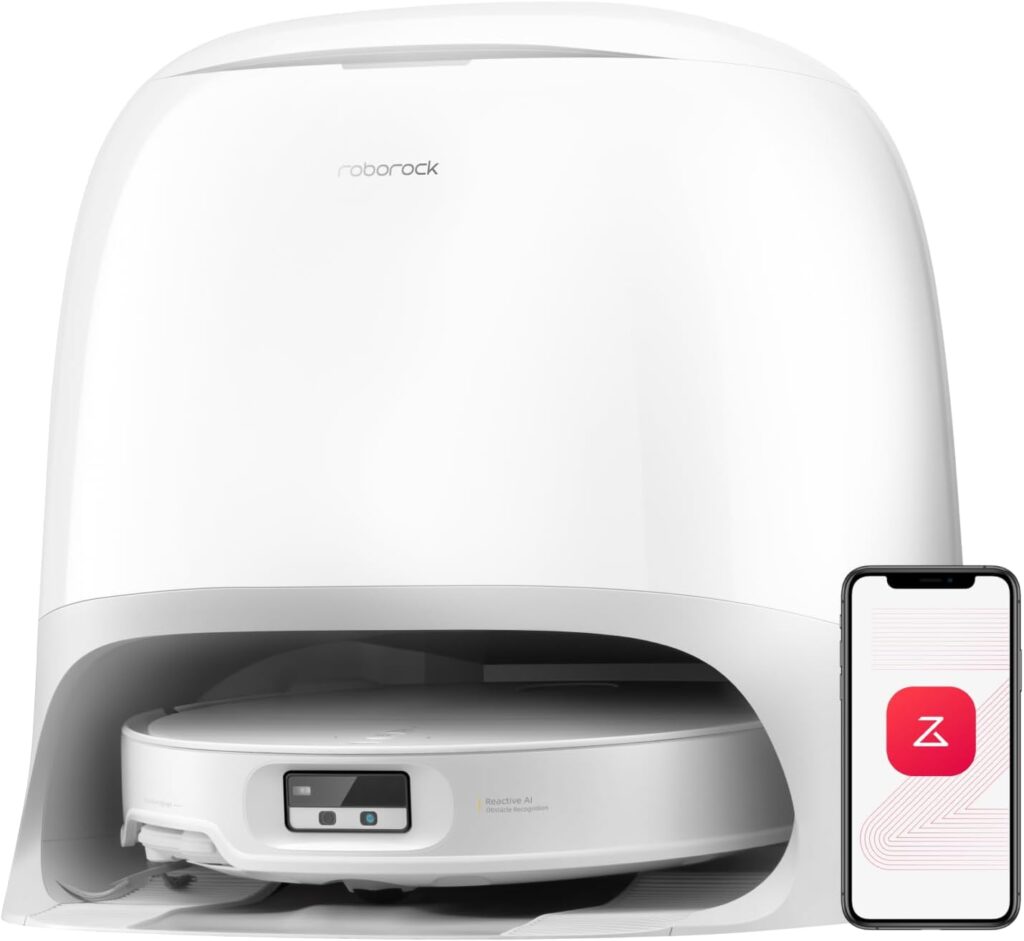
It delivers premium cleaning automation with a dual-sensor navigation system that combines LiDAR precision with camera intelligence, making it exceptionally capable at navigating complex layouts while providing thorough vacuuming and mopping across multiple floors. Best for: multi-story homes that need a hybrid vacuum-and-mop solution with minimal manual intervention.
4. Dreame L50 Ultra
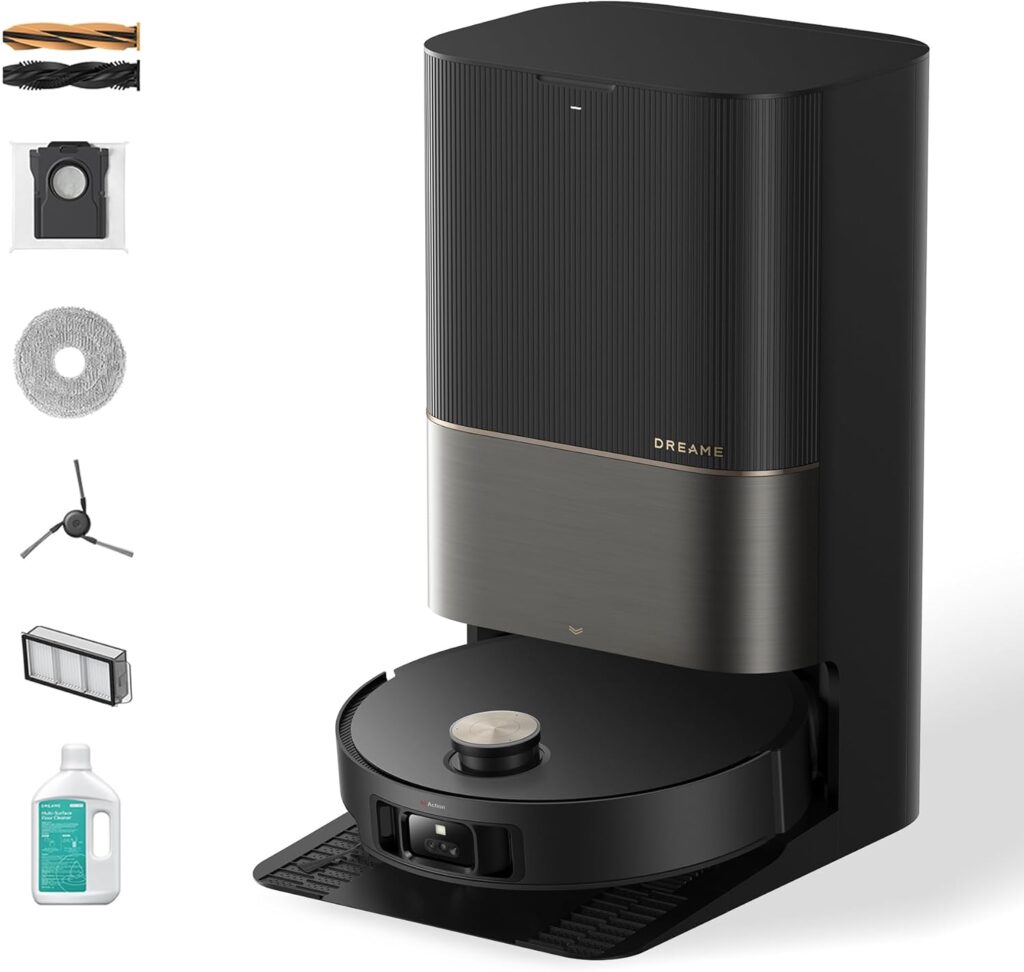
This robot vacuum/mop combo features a system with retractable legs that enable it to climb over obstacles up to about 2.36 inches and vertical steps up to roughly 1.65 inches, supported by a shock-absorbing design rated for 30,000 cleaning cycles. Best for: homes with high thresholds between rooms, rugs, or uneven flooring transitions that trip up other models.
5. eufy Omni C20
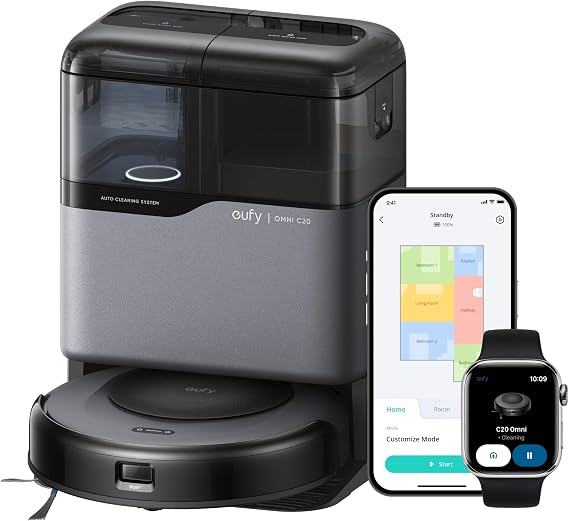
A more budget-conscious pick from a well-known brand, sitting in the mid-range tier where you still get solid mapping and a self-empty base without paying premium prices. Best for: first-time robot vacuum buyers who want core smart features without the $1,000+ price tag.
Frequently Asked Questions
Are robot vacuums actually worth the money?
Yes, for most households — but the value depends on your situation. If you have pets, kids, or limited time for cleaning, a robot vacuum reduces the frequency of full manual vacuuming sessions significantly. If you live alone in a small, low-traffic apartment, the return on investment is smaller.
Do robot vacuums work well on carpet?
Modern robot vacuums handle low and medium-pile carpet well, especially models with carpet-boost suction settings. High-pile, shaggy, or very thick carpet can still be a challenge for some models, so check reviews specifically mentioning thick carpet performance before buying.
How often do I need to empty a self-emptying robot vacuum?
This depends on the size of the bag/bin in the base station and your household size, but many self-emptying models can go anywhere from a few weeks to over two months between manual emptying, depending on usage and household size.
Can a robot vacuum replace mopping completely?
Not for deep cleaning. Hybrid vacuum-mop robots are great for daily light mopping and maintaining floors, but dried-on stains or heavily soiled areas still need a manual deep clean.
Do robot vacuums work with Alexa and Google Assistant?
Most current mid-range and premium models support both, allowing you to start cleaning, pause, or check status with voice commands. Always check the specific model’s compatibility list before buying if this is a priority feature for you.
Is LiDAR navigation worth paying extra for?
Generally yes, if your home has multiple rooms or an irregular layout. LiDAR-based mapping is significantly more accurate than older camera or bump-sensor navigation, leading to fewer missed spots and less time wasted re-cleaning the same areas.
What’s the difference between budget, mid-range, and premium models?
Budget models offer basic suction and navigation without mapping or self-empty bases. Mid-range models add real mapping, app control, and often self-emptying bases. Premium models add features like auto mop-washing, hot air drying, and AI-based obstacle recognition.
This article contains affiliate links