
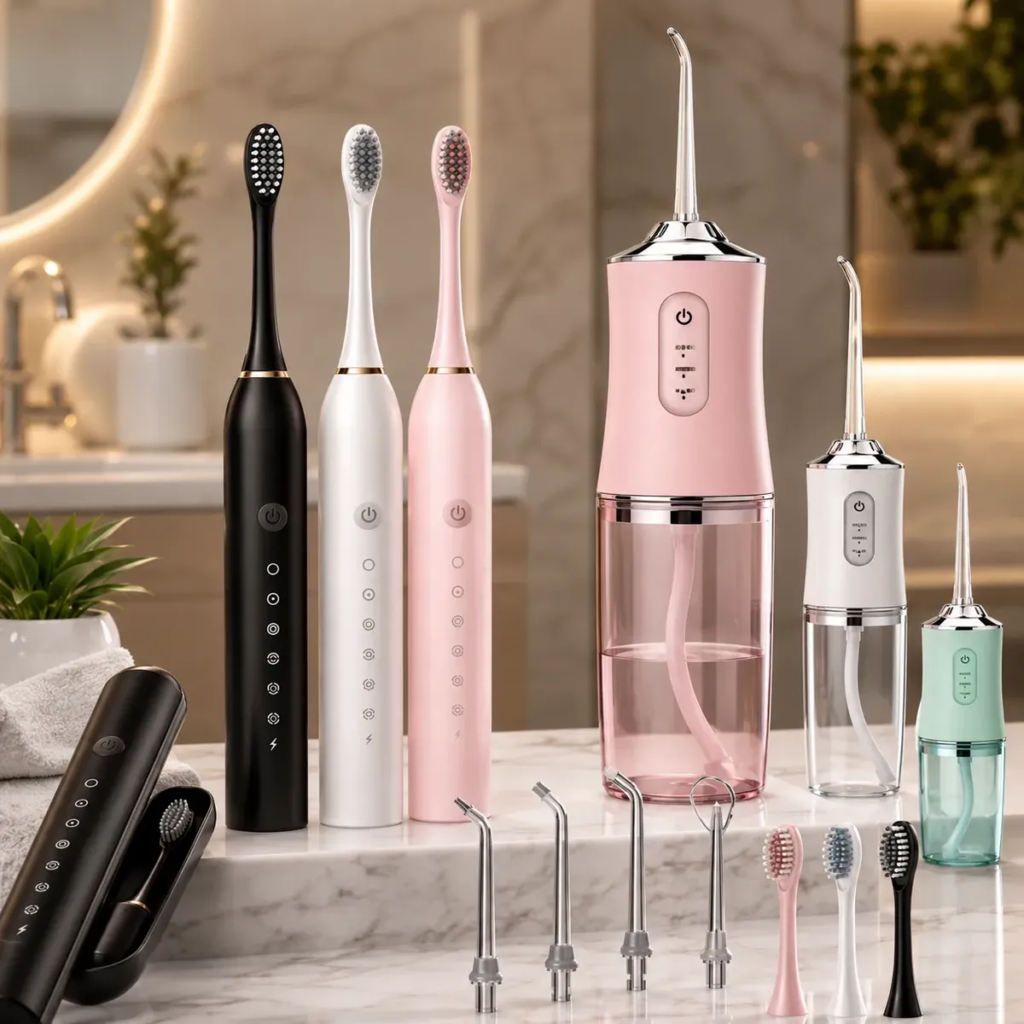
Switching from a manual toothbrush to an electric one is one of the few consumer purchases with genuine clinical backing behind it. Cochrane-reviewed studies — the kind dentists actually cite — consistently show oscillating-rotating electric toothbrushes remove significantly more plaque and reduce gingivitis more effectively than manual brushing. That’s not marketing. It’s measurable, consistent across multiple trials, and the reason most dental hygienists use one themselves.
The two technology categories worth understanding before comparing models are oscillating-rotating (round head that rotates and pulses — Oral-B’s approach) and sonic (elongated head that vibrates at high frequency — Philips Sonicare’s approach). Both outperform manual brushing. Oscillating heads tend to score slightly higher in independent plaque-removal tests; sonic brushes tend to feel gentler and are better tolerated by people with sensitive gums. Neither is categorically superior — it comes down to which feel you prefer in the first week of use.
Here are five electric toothbrushes worth your money in 2026, across every price point from budget to smart premium.
| Product | Type | Key Feature | Battery | Best For |
|---|---|---|---|---|
| Oral-B iO Series 2 | Oscillating-rotating | Pressure sensor + 2-min timer | 2 weeks | Best overall for most buyers |
| Philips Sonicare 4100 | Sonic | Pressure sensor, simple 2 modes | 2 weeks | Best value sonic brush |
| Oral-B Pro 1000 | Oscillating-rotating | ADA-accepted, pressure sensor | ~2 weeks | Best budget dentist-recommended pick |
| Oral-B iO Series 9 | Oscillating-rotating | AI coaching, 7 modes, app | 2 weeks | Best smart toothbrush for serious gum improvement |
| usmile Y10 Pro | Sonic | AI plaque coaching, USB-C | 178 days | Best battery life and best for travelers |
Oral-B iO Series 2
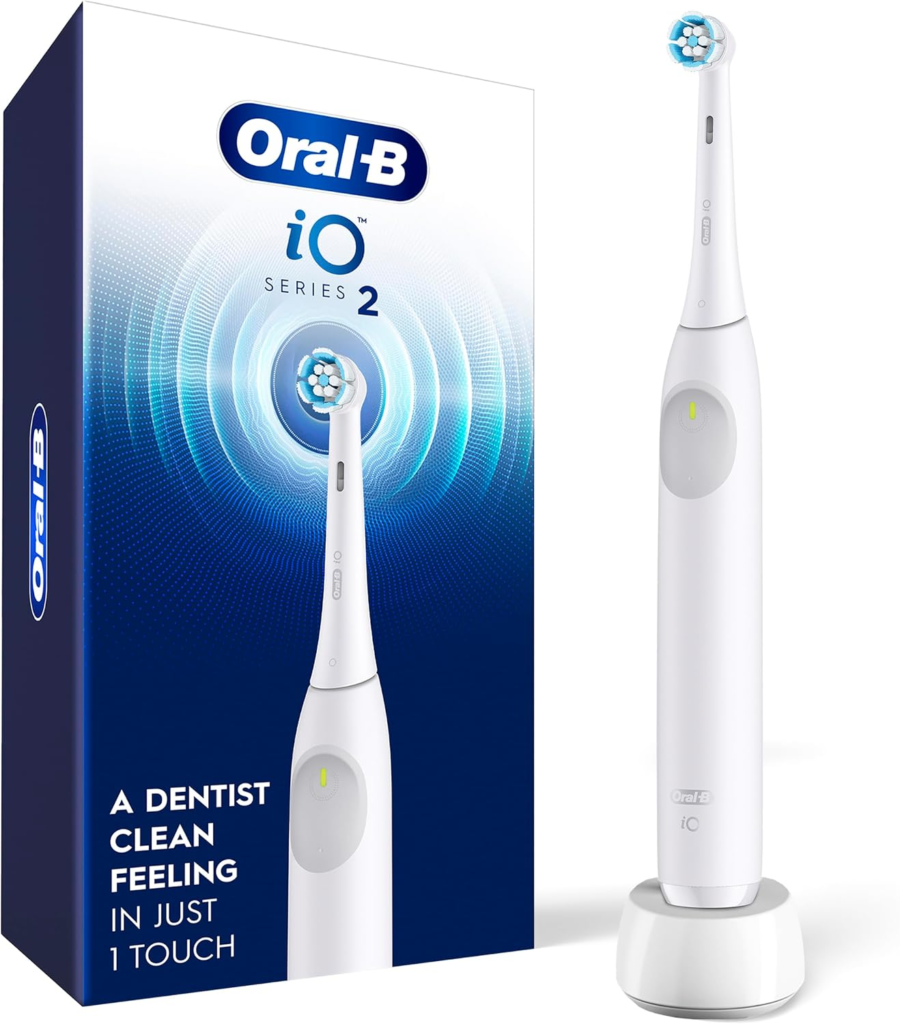
Forbes named this the best electric toothbrush overall after testing 13 models, and the combination of features makes the recommendation easy to understand. A built-in pressure sensor alerts you when you’re brushing too hard — the most common cause of enamel wear and gum recession from electric toothbrushes — and a 2-minute quadrant timer ensures you’re spending the right time on each section of your mouth.
These two features are exactly what dentists say matter most in technique improvement, at a price point that doesn’t require justifying to yourself. The round oscillating head covers the surface area of one tooth at a time, which trains the slow, methodical brushing technique that produces better results than sweeping across multiple teeth simultaneously.
Best for: most buyers who want a proven, feature-complete electric toothbrush without overspending on smart features they won’t use.
Philips Sonicare 4100
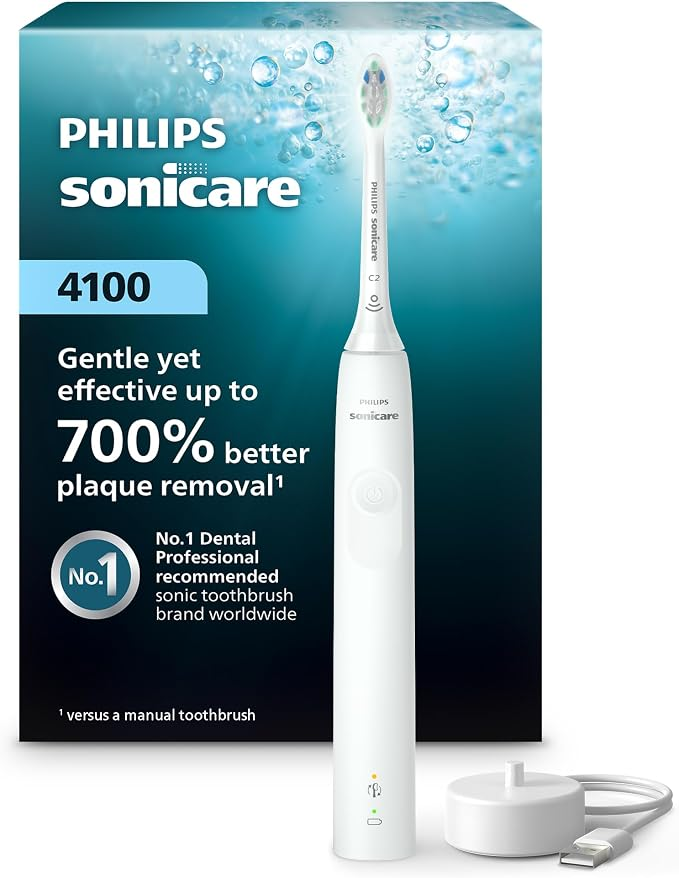
CNN Underscored named this the best all-around electric toothbrush they tested, and the praise is consistent across multiple independent sources. It has just two modes — low intensity and high intensity — which sounds limiting until you realize most people use one mode every day and never touch the rest of a seven-mode brush.
The pressure sensor works as expected, a 2-minute quadrant timer guides the full brush, and 31,000 brush strokes per minute sonic action is noticeably gentle on sensitive gums compared to oscillating alternatives. Replacement heads are widely available and reasonably priced. The trade-off versus the iO Series 2 is purely the feel of sonic versus oscillating — the plaque removal is comparable, and your preference for one technology over the other is the deciding factor.
Best for: buyers with sensitive gums, first-time electric toothbrush users, and anyone who prefers sonic vibration over oscillating rotation.
Oral-B Pro 1000
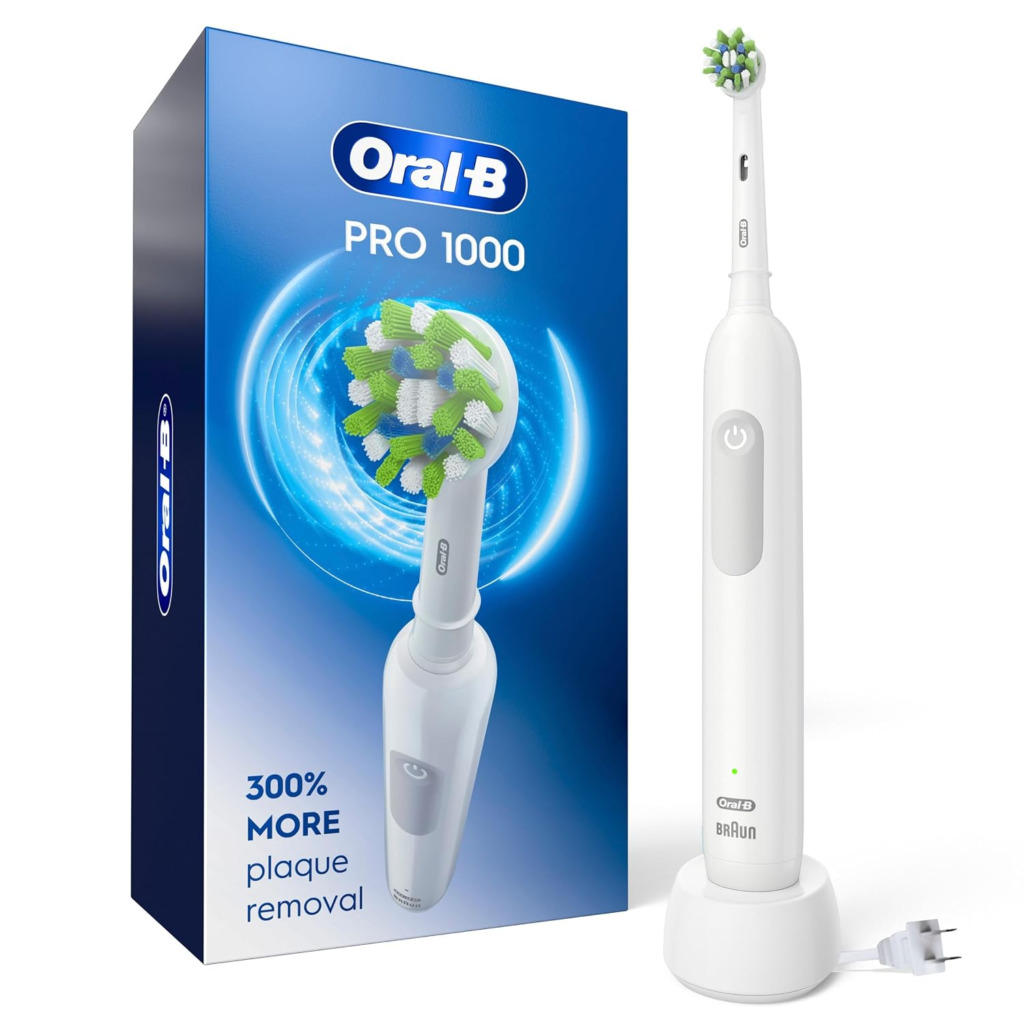
The dentist’s budget recommendation, consistently and for good reason. Over 8,000 reviews and a decade on the market give it a reliability track record that newer budget options can’t match, and its oscillating-rotating-pulsating technology at 48,800 movements per minute is the same core mechanism validated in Cochrane clinical trials.
A pressure sensor and 2-minute timer are included at a price point where many competitors skip both. Replacement heads are the most affordable and most widely available of any electric toothbrush — under $10 each from most retailers. The only thing missing versus pricier Oral-B models is smart features, multiple brushing modes, and the refined handle design of the iO series. For a first electric toothbrush or a reliable backup, it’s a genuinely hard purchase to question.
Best for: budget-conscious buyers who want a dentist-recommended, ADA-accepted brush with proven clinical backing at the lowest sensible price.
Oral-B iO Series 9
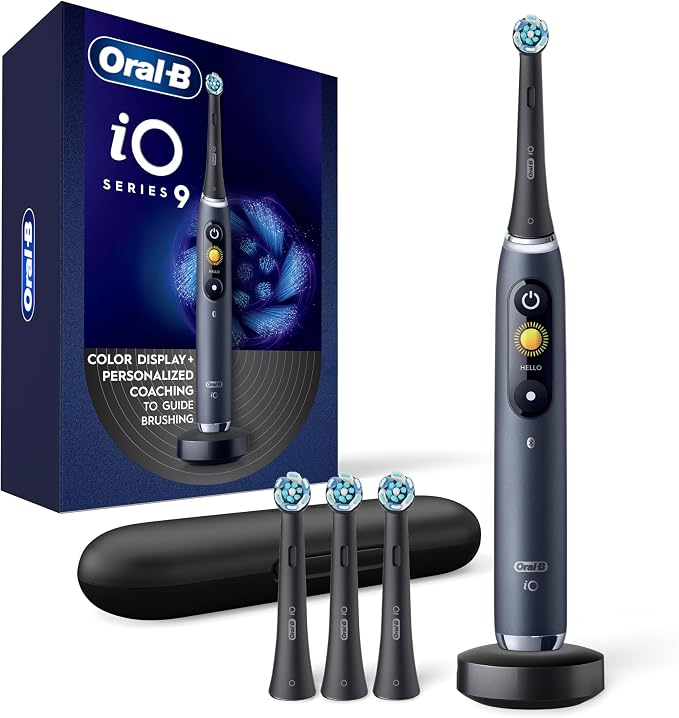
The premium smart pick for buyers who want every feature Oral-B makes in one brush. AI-powered brushing coaching through the companion app maps your mouth in real time and shows which zones you’re missing, which zones you’re pressing too hard on, and tracks improvement over time. Seven brushing modes — including sensitive, whitening, and tongue cleaning — cover specific needs that a single-mode brush doesn’t.
The round magnetic charging case doubles as a travel case and a satisfying design object, which matters more than it sounds for a product you interact with twice a day. The honest trade-off: the app coaching is only genuinely useful if you actually open the app consistently, and most buyers use it for a week and then stop — the core brushing performance without the app is excellent but doesn’t justify the premium over the iO Series 2 on its own.
Best for: buyers who want AI brushing feedback and are genuinely committed to using it to change their technique.
usmile Y10 Pro
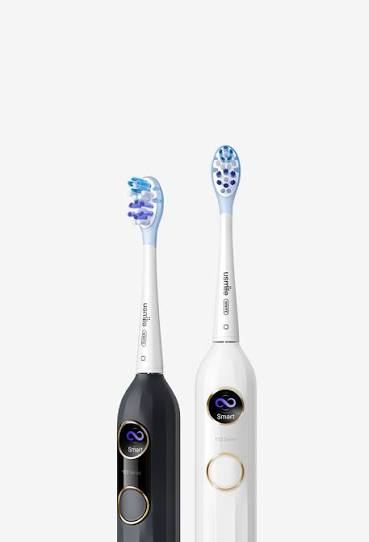
The travel pick that wins on battery life in a way that no other brush in this guide comes close to matching. A 178-day verified battery charge via USB-C means you travel with the same cable you already carry for your phone, never pack a proprietary charging dock, and genuinely forget the brush needs charging for months.
In independent 300-hour testing, it produced a 31-percentage-point plaque improvement over four weeks — the largest measured improvement in that specific test — attributed to the AI screen’s real-time coaching on coverage and pressure.
The AI display on the handle (not a phone app) shows plaque zone guidance in real time, which removes the friction of opening an app mid-brushing. The trade-off: it’s a newer brand with less long-term track record than Oral-B or Philips, and brush head availability and replacement costs should be verified before committing.
Best for: frequent travelers, anyone who constantly forgets to charge devices, and buyers specifically interested in AI-guided plaque feedback without a phone app.
What to Look For Before You Buy
- Pressure sensor is non-negotiable: Pressing too hard is the most common brushing mistake and the leading cause of enamel erosion and gum recession from electric toothbrushes. Any brush without a pressure sensor is missing the feature dentists most consistently recommend.
- 2-minute timer with quadrant pacing: The ADA recommends 2 minutes of brushing, and most people stop at 45 seconds without a timer. Quadrant pacing — a pulse every 30 seconds — keeps each section of the mouth getting equal time.
- Oscillating vs. sonic: Both outperform manual. Oscillating (Oral-B) scores slightly higher in plaque studies; sonic (Sonicare) feels gentler and suits sensitive gums better. Try both if you have the option — the right feel is the one you’ll actually use twice a day.
- Replacement head cost and availability: The ADA recommends replacing brush heads every 3 months. Annualized replacement head costs range from under $30 for Oral-B-compatible heads to over $80 for premium Sonicare heads — factor this into the real cost of any brush before buying.
- Battery and charging: Proprietary charging docks are the biggest travel friction point in this category. USB-C charging and long battery life aren’t just convenience — they determine whether the brush actually travels with you or stays home.
Frequently Asked Questions
Are electric toothbrushes actually better than manual, or is it marketing? The clinical evidence is genuine. Cochrane-reviewed meta-analyses of multiple trials show oscillating-rotating electric toothbrushes reduce plaque and gingivitis statistically significantly more than manual brushing. The effect is real and consistent across studies — it’s not marketing. That said, excellent technique with a manual brush beats poor technique with an electric one.
What’s the difference between oscillating and sonic toothbrushes? Oscillating brushes (Oral-B) use a round head that rotates back and forth and pulses — the motion does most of the work for you. Sonic brushes (Philips Sonicare) use a rectangular head that vibrates at high frequency, supplementing rather than replacing manual brushing motion. Oscillating scores slightly higher in independent plaque studies; sonic is generally gentler on sensitive gums.
How often should I replace the brush head? The ADA recommends replacing brush heads every three months, or sooner if the bristles are visibly fraying or spreading outward. Frayed bristles are a sign of excessive pressure during brushing and reduced cleaning effectiveness.
Do I need a smart toothbrush with an app? Only if you’ll actually use the app consistently. App-connected brushes provide genuinely useful coaching on coverage zones and pressure — but most buyers use them for two weeks and stop. The pressure sensor and 2-minute timer on mid-range brushes deliver most of the technique improvement benefit without requiring an app at all.
Is a more expensive electric toothbrush actually cleaner? For plaque removal specifically, the clinical evidence doesn’t show dramatic differences between price tiers once you have a quality oscillating or sonic mechanism. The premium buys better handle design, more brushing modes, smarter coaching features, and longer battery life — not measurably cleaner teeth versus a mid-range option.
Can I use an electric toothbrush with braces? Yes, and most orthodontists recommend it, since electric brushes are better at cleaning around brackets and wires where plaque accumulates. Use a brush head specifically designed for braces if available, and avoid pressing into bracket edges with hard bristles.
How long does an electric toothbrush handle last? Most rechargeable handles last five to seven years with normal use — the sealed lithium-ion battery eventually degrades over charge cycles, but this typically takes years rather than months. The brush head is the consumable replaced quarterly; the handle is a longer-term investment.
Should I brush before or after breakfast? Dentists recommend brushing before breakfast, not after. Acidic foods and drinks temporarily soften enamel, and brushing immediately after can remove softened enamel. If you prefer brushing after eating, wait at least 30 minutes for enamel to reharden first.
The right electric toothbrush is the one with a pressure sensor that you’ll actually use twice a day — technique and consistency matter more than the number of modes or the price of the handle. Double check current pricing on Amazon before buying, since electric toothbrushes see significant discounts around Prime Day and major sales events throughout the year.
This article contains affiliate links.