
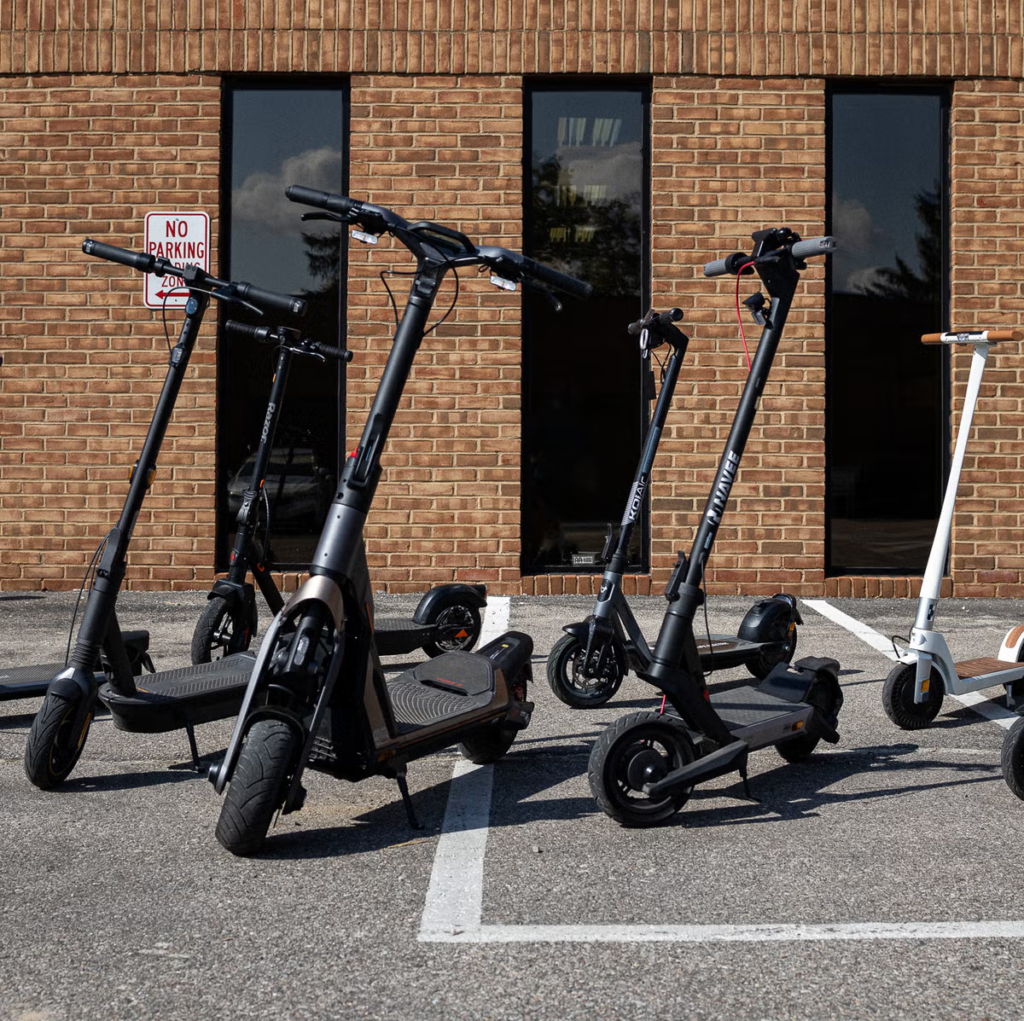
Sitting in traffic for 45 minutes to travel three miles is a choice. An electric scooter folds flat, fits under a desk, charges from any wall outlet, and costs roughly two cents per mile to operate. For urban trips between one and ten miles each way, the right commuter scooter beats a car on time, beats a bus on convenience, and makes the first and last mile of a transit commute disappear entirely.
Two things worth knowing upfront before comparing models. First: UL 2272 certification is non-negotiable. It means the electrical system has been independently tested for fire and electrical shock hazards — cheap uncertified scooters exist on Amazon and they’re cheaper for a real reason.
Second: manufacturer range claims are 30 to 50% higher than real-world results. A scooter advertised at 25 miles typically delivers 14 to 18 miles in practice at normal speeds. Apollo’s fleet telemetry across 741,836 GPS-tracked rides confirms this pattern across every major brand. Plan your commute around the real number, not the marketing claim.
Here are five electric scooters worth your daily commute in 2026.
| Product | Real-World Range | Weight | Top Speed | Best For |
|---|---|---|---|---|
| NIU KQi3 Sport | 18–20 miles | 36 lbs | ~20 mph | Best overall commuter for most riders |
| Segway Ninebot F2 | 16–18 miles | ~30 lbs | ~19 mph | Best value with self-sealing tires |
| NIU KQi Air | ~24 miles | 26.4 lbs | ~20 mph | Best ultralight for daily carrying |
| NIU 100P | 12–14 miles | ~39 lbs | ~20 mph | Best for rough roads and wet commutes |
| Apollo Go Stellar | 25–27 miles | 46 lbs | ~27 mph | Best performance with dual motors and suspension |
NIU KQi3 Sport
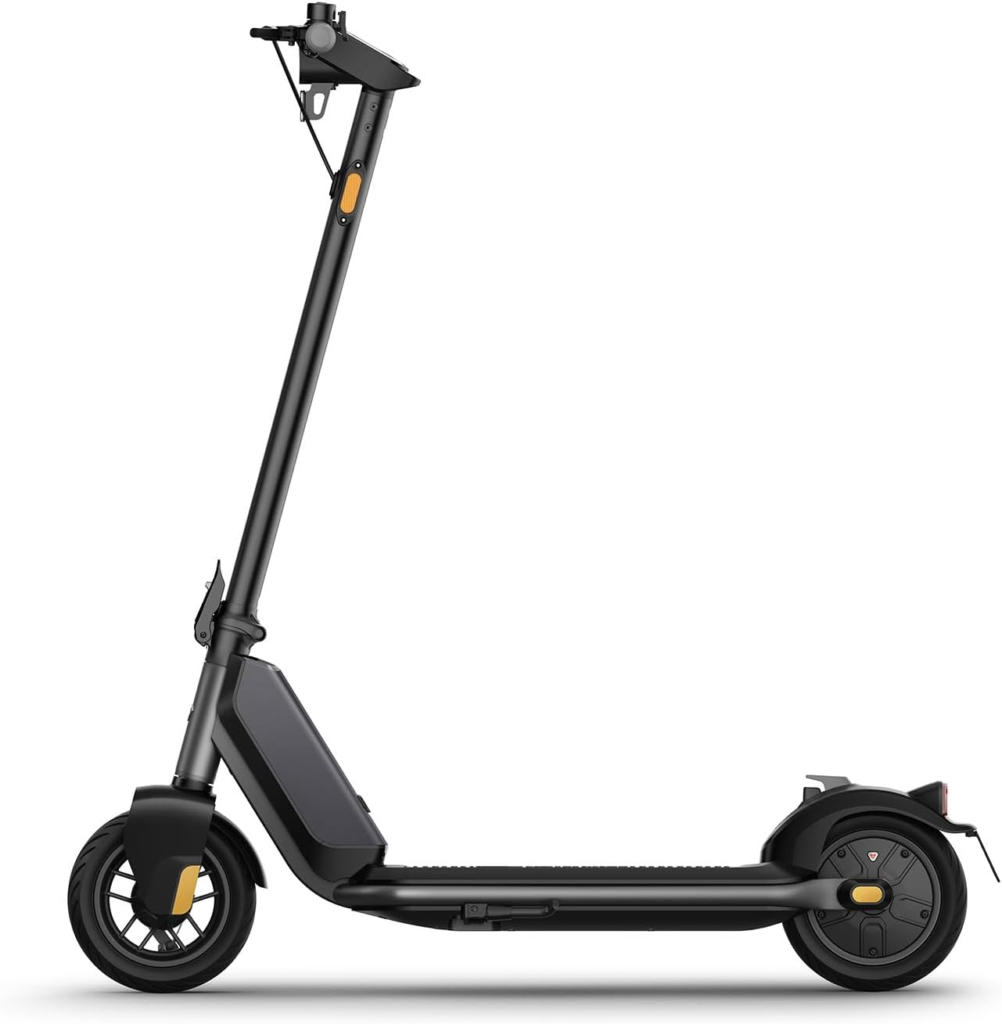
One Green Planet named this the pick most commuters should buy, and the reasoning is persuasive across the specific details that matter for daily use.
A 13% wider deck than NIU’s budget models sounds like a minor spec until you’ve ridden a narrow-deck scooter for three months and noticed the low-grade fatigue it creates in your standing feet — width is genuine comfort, not a vanity spec. 9.5-inch tubeless fat tires handle standard urban pavement with composure, four riding modes with front mechanical disc and rear electric braking provide confident stopping in the situations where it matters, and the LED display is readable in direct sunlight — a feature that sounds minor in a showroom and becomes relevant on every single morning commute.
At 36 lbs, it’s stable at speed in a way lighter frames aren’t. Real-world range lands between 18 and 20 miles for a typical rider at normal assist levels.
Best for: most daily commuters who want a stable, comfortable, full-featured scooter that holds up to daily use without constant maintenance.
Segway Ninebot F2
The value pick that earns its recommendation through one feature that goes unappreciated until the specific morning it saves your commute: 10-inch self-sealing tubeless tires. Small punctures seal during the ride. You won’t know it happened until you check the tire later. For a daily commuter riding urban pavement with debris, this is the feature you don’t value until it works — and then you value it enormously. Apple FindMy integration is either irrelevant or extremely useful depending on whether your scooter has ever been lifted from a building lobby. Dual braking — front disc plus electronic rear — is the right specification for a scooter at this weight. Real-world range sits between 16 and 18 miles, Segway’s build quality is the product of building scooters longer than almost any other brand, and the folding mechanism and cable routing reflect that institutional experience.
Best for: value-conscious commuters who want proven brand reliability and self-sealing tires for worry-free daily riding.
NIU KQi Air
The carbon fiber pick for riders who carry their scooter every day. At 26.4 lbs — roughly half the weight of most commuter scooters — it’s the only option here that genuinely disappears into a shoulder bag and stops feeling like a physical burden on stairs, transit, and office elevators. The carbon fiber frame reduces weight without narrowing the deck, reducing handlebar width, or switching to harsh solid tires that would make the weight saving irrelevant, which is the specific engineering achievement that separates this from typical ultralight scooters. Real-world range clocked at 24.2 miles in independent testing, with a range-to-weight ratio that eRideHero’s tester called the best they’d ever recorded on any electric scooter regardless of price. The trade-off is honest: no suspension means bigger bumps reach you directly, and the price premium for carbon fiber is real.
Best for: commuters who carry their scooter through subway stations, up stairs, and into offices daily — where every pound matters.
NIU 100P
The rough-road pick for commuters whose route includes cracked pavement, cobblestones, potholes, or consistent wet weather. Full front suspension absorbs impacts that would translate into hand and wrist fatigue on rigid-frame scooters over a multi-mile commute, and turn signals — absent on every other scooter in this guide — are a detail that drivers in traffic actually respond to. At approximately 39 lbs, it’s the heaviest option here, because suspension and lights add real weight and there’s no engineering shortcut around it. Real-world range of 12 to 14 miles is the shortest here, reflecting the power draw of the suspension system and the larger tires. For commuters specifically dealing with rough infrastructure who’ve had lighter scooters become an ordeal on bad streets, the comfort difference is worth both the weight and the range trade-off.
Best for: commuters on rough or poorly maintained roads, wet weather riders, and anyone who specifically needs turn signals for riding in mixed traffic.
Apollo Go Stellar
The performance pick for longer commutes and hillier routes, backed by the most credible fleet data in the category. Apollo’s 741,836 GPS-tracked rides through their fleet telemetry confirm 25 to 27 miles of real-world range — meaningfully more than any other scooter here. Dual Bosch motors climb grades that single-motor scooters drag or stall on, full suspension absorbs road imperfections at higher speeds, and flatproof tires eliminate the flat-tire commuting disaster entirely. At 46 lbs it’s the heaviest option here, and it’s the most expensive — the weight and price are the straightforward trade-offs for the longest verified range and the strongest hill performance. For riders with long, hilly routes who’ve had shorter-range scooters leave them stranded or struggling uphill, this is the scooter that changes what a scooter can realistically do.
Best for: longer commutes, hillier routes, and riders who want the highest real-world verified range available in a commuter scooter.
What to Look For Before You Buy
- UL 2272 certification first, everything else second: This is the independent safety certification for electric scooter electrical systems. Uncertified scooters are cheaper because they’ve skipped the safety testing — not a trade-off worth making for something you ride in traffic daily.
- Real-world range, not advertised range: Every manufacturer range claim is measured in ECO mode, low speed, ideal conditions. Real-world range at normal commuting speeds is 30 to 50% lower. Cold weather cuts another 15%. Calculate your round-trip distance and match it against real-world range with buffer — not the best-case number on the spec sheet.
- Tire type matters for your specific route: Solid tires are puncture-proof but transmit every bump directly. Pneumatic (air-filled) tires absorb road imperfections but can puncture. Self-sealing pneumatic tires are the best of both for typical urban use. Know your route’s surface quality before deciding which trade-off works for you.
- Weight vs. your actual carrying situation: If you lift your scooter up stairs, onto transit, or into an office daily, every pound is a daily experience. A 46-lb scooter carried up three flights of stairs twice a day becomes a reason to stop riding within weeks. Be honest about your storage and carrying reality before dismissing weight as a spec.
- IP rating for your weather: IP54 handles light rain and wet roads adequately. IPX5 covers regular wet-weather commuting. Many budget scooters have no IP rating at all — which means undocumented water vulnerability in a product you’re riding on city streets where puddles and rain are real. Check the rating for the weather you actually face, not ideal conditions.
Frequently Asked Questions
Are electric scooters legal on roads and bike lanes in the US? It varies significantly by city and state, which is the honest answer most reviews skip. Most US cities permit electric scooters on roads and bike lanes up to a certain speed — typically 15 to 20 mph. Some cities restrict them entirely from certain paths or require helmets. Check your specific city’s regulations before purchasing, as enforcement has increased meaningfully in several major metros since 2024.
How much does it actually cost to charge an electric scooter? At average US electricity rates, a full charge costs between $0.05 and $0.15 depending on battery size. For most commuters, annual electricity cost for daily scooter use is under $20 — genuinely negligible compared to any alternative transportation cost.
How long does an electric scooter battery last before degrading? Most scooter batteries are rated for 300 to 500 full charge cycles before capacity drops noticeably — typically two to four years of daily commuting. Avoiding consistently charging to 100% and storing the battery above 20% charge extends this meaningfully. Battery replacement, when needed, typically costs $150 to $400 depending on the brand and capacity.
Do I need a helmet to ride an electric scooter? Legally: it depends on your state and city. Practically: yes, always. At 20 mph on city streets, a fall without a helmet carries serious injury risk. A quality commuter helmet costs $50 to $100 and is the single most important safety purchase alongside the scooter itself — don’t skip it regardless of local legal requirements.
Can electric scooters handle hills? It depends entirely on motor power and the grade of the hill. Most single-motor scooters handle grades up to 10 to 15% without significant struggle. Grades above 15% require 500W or more of peak output, and very steep urban hills genuinely require dual-motor scooters like the Apollo Go Stellar. Know your route’s elevation before assuming any scooter handles it.
Is it better to buy a scooter or rent shared scooters for commuting? For occasional use, shared scooters are more economical. For daily commuting, personal ownership typically breaks even within two to four months of use compared to shared scooter costs, which run $1 to $3 per ride on most systems. After breakeven, the owned scooter costs pennies per ride versus dollars.
Can I ride an electric scooter in the rain? With a scooter rated IP54 or higher, yes — light to moderate rain is manageable. Standing water, heavy rain, and submerged riding damage electronics regardless of IP rating. Avoid puddles deeper than a few centimeters, and dry the scooter before storing indoors after a wet ride. Uncertified scooters with no IP rating should not be ridden in any wet conditions.
What accessories do I actually need alongside the scooter? A helmet is non-negotiable. A quality lock is essential if the scooter won’t be in your direct sight — cable locks are the minimum, U-locks or folding locks are better. A phone mount for navigation is practical on routes you don’t know by heart. Everything else — lights, bags, fenders — is use-case specific. Budget roughly $75 to $150 for essential accessories alongside the scooter purchase.
For most urban commuters, an electric scooter is the purchase that makes them wonder why they waited. Double check current pricing on the manufacturer’s website and Amazon before buying — electric scooters see significant seasonal discounts, and several brands run site-wide sales multiple times per year.
This article contains affiliate links.